


Without extractable format, there's no fragment to cite. If all paragraphs are long and you don't optimize them with an answer-first approach — using bullets, numbered steps, or tables with fixed fields — models don't find a clear answer to extract.

AEO on-page
AEO on-page: make your content the AI's answer
If your content isn't cited, quality alone isn't enough: there's a lack of authority signal, clear answer, and consistency between what you say and what's understood. For medium and large companies that want to be cited by AI, we rewrite in answer-first format, restructure long paragraphs into clear and practical points, and work the text so it's easier to extract by models and understand by people. We verify it with real searches and document what's extracted and from which page.
Result: more useful mentions and less ambiguity about your value proposition.
If you're comparing approaches (SEO + AEO + GEO), start with Generative AI services.
01 · Diagnosis
Why doesn't AI cite your content?
Even if you have the best information in your sector, quality alone isn't enough. For models like ChatGPT or Gemini to cite you, they need clear authority signals, a brief main answer, and easy-to-extract development (bullets, numbered steps, and tables with fixed fields). It's designed both for people and for models.
Authority without structure = silence.
You can be a reference in your sector, but if your entity isn't clear (who you are, what you do, and in which topics you're a reliable source) and there's no 1:1 parity between what's visible and what models read, they'll prefer not to cite you to avoid errors.
Visible in SEO, invisible in answers. Many pages designed for classic search don't open with a brief answer or offer concrete information in lists, steps, or tables; that's why models don't find a clear fragment to extract and cite.
Without a clear answer, unambiguous entity, and 1:1 parity, mention is unlikely.
02 · Benefits
Real benefits of AEO on-page
- 01
Citation as a source (click-less visibility)
Your brand can appear mentioned or linked in Google's AI Overview, in generative answers (ChatGPT, Gemini, Perplexity), and in classic results like Featured Snippet or "People also ask", reinforcing your authority before the user decides to navigate.
02 Control over what AI says about your brand
By organizing answers and key data in lists, steps, and tables and maintaining 1:1 parity between what's visible and what models read, you reduce errors (hallucinations) and prevent third parties from being credited for what's yours.
03 Reliable extracts in generative engines
You increase the chances that ChatGPT, Gemini, and Perplexity choose clear fragments and attribute them to the correct URL (it doesn't guarantee appearance, but improves your eligibility).
- 04
Ready for direct-answer experiences
AEO improves how your content is understood, extracted, and cited both in Google's AI Overview and in other AI summaries and classic results (e.g., Featured Snippet and "People also ask").
More useful mentions, more control over fragments, and fewer errors about your brand.
03 · Methodology
Our formula: The HSA Protocol
We write for people, ensure search engines read the same as the user sees (same information and structure in the HTML), and verify in models that your content can be extracted and attributed.
Human (AEO)
We write for people with an answer-first approach: we give the essential answer in 1–2 sentences (what you do, for whom, and what result) and organize the rest in scannable formats like: bullets, 1-2-3 steps, and tables, so it's understood quickly and can be extracted precisely.
Search (technical SEO)
We ensure 1:1 parity between what's visible and the HTML. When it adds value, we add schema that repeats what's visible (Service, FAQPage, Organization, Breadcrumb). We also handle crawling, indexing, rendering, and performance so the search engine processes the content as the user sees it.
AI (GEO)
We test with real queries in ChatGPT, Gemini, and Perplexity, record which fragment is extracted and which URL is attributed, and adjust copy until we have clear, citable answers. When useful, we use a Prompts×Models Matrix to compare before/after and prioritize improvements.
04 · Service
What does our AEO service include?
Element
Description
- Extraction audit
Analysis with real prompts to diagnose how AIs currently read (or ignore) you.
- Answer-first rewrite
Content editing to answer first and convert the information into bullets, numbered steps, and tables.
- Schema with 1:1 parity
Implementation of structured data that repeats what's visible (without inventing), aligned with the DOM.
- AI validation
Manual and automated testing in ChatGPT, Gemini, and Perplexity to confirm extraction and attribution.
- Report + content guidelines
Delivery of the result and clear guidelines to maintain the standard on future pages.
With our AEO on-page service you'll get a complete process: we diagnose what's extracted today, rewrite in answer-first, guarantee 1:1 parity with schema, validate in ChatGPT, Gemini, and Perplexity, and deliver content guidelines to maintain the level.
Real impact, real clients
See more success cases05 · Method
How we work: 5-step AEO method
We check which fragments models take and from which URL, rewrite in answer-first, guarantee 1:1 parity in HTML and schema, validate in ChatGPT/Gemini/Perplexity, and leave you clear guidelines to maintain it.
- 01
Citation diagnosis (model prompts)
We launch real queries in ChatGPT, Gemini, and Perplexity to check if your brand appears cited, which fragment is extracted, and which URL is attributed; we close with a results report including presence (yes/no), extracted fragment, attributed URL, screenshots, and observations.
- 02
Content redesign (AEO)
We write in answer-first with an initial 1–2 sentence answer and reorganize the rest in scannable formats: question-shaped heading hierarchy, bullets, 1-2-3 steps, and tables with fixed fields, so the text is clear for people and models can extract fragments precisely.
- 03
Schema markup with 1:1 parity
We add structured data that repeats what's visible in the HTML, just enough for the search engine to identify the page type and its key blocks.
- 04
Extraction validation (AI models)
We repeat the real queries in ChatGPT, Gemini, and Perplexity, check the extracted fragment and attributed URL, and adjust the text until we have clear, citable answers
- 05
Report and final adjustments
We deliver a before/after with real screenshots of model responses, clear conclusions, and final copy tweaks to leave fragments ready to be cited
HSA Protocol: a method with real tests in models; focus on structure and content clarity; we close only when we verify extraction.
06 · Guidelines
What content that AI cites looks like
For an LLM to choose you as a source, content must facilitate interpretation and extraction:

- 01
Answer-first opening
The first block answers the main intent in 1–2 sentences (or a TL;DR of 90–120 words if the topic demands it).
- 02
Question-shaped headings
H2/H3 like "What is…?", "How…?", "When…?", aligned with your audience's real questions.
- 03
Concrete and extractable information
Convert long paragraphs into scannable formats: bullets for key ideas and 1–2–3 steps when there's a process; also include an exact phrase in HTML you want cited.
- 04
1:1 parity
Verify that what's visible and the HTML say the same (same information and structure). Then, we mark only what's relevant with Schema (Service, FAQPage, etc.), repeating exactly what's already on the page.

“With Elevam I've found something very hard to see in this sector: absolute loyalty, business judgment, and impeccable discretion. They're the part of the team in charge of bringing the right clients to my door.”
David Sans
Criminal lawyer in Barcelona
abogadopenalista.net


07 · Measurement
How do we measure if it works?
Unlike traditional SEO, here we don't measure clicks; we measure presence in the answer and attribution (extracted text + URL):
- 01
Tests with real prompts
We run transactional and informational queries related to your business.
- 02
Before/after comparison
We document how the AI response evolves from "generic" to "specific with your brand".
- 03
Citation evidence
We look for your name, link, or an exact data point integrated in the generated response.
- 04
Prompts × Models Report
Matrix with prompt, model, extracted fragment, attributed URL, cited (Y/N), date, and observations.
Operational summary: measurement of presence and attribution in the response, direct verification of mentions/links, and matrix per model to track evolution.
08 · Team
Team that executes your AEO
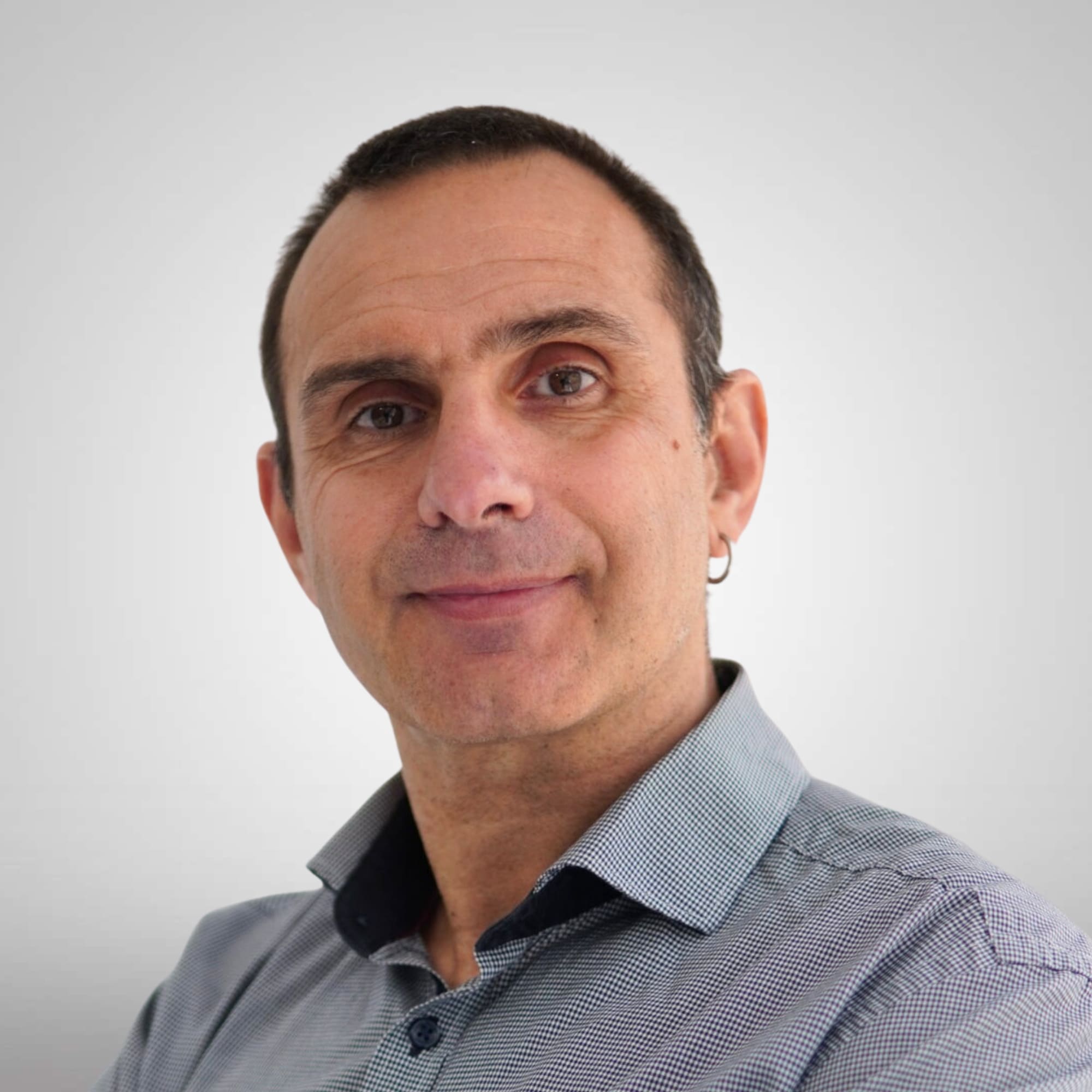
Asier López Ruiz
AEO Consultant / AI Search

Lidia
Technical SEO and structured markup
FAQs about AEO on-page
AEO on-page organizes content so it can be extracted and, when appropriate, cited; SEO on page ensures technical eligibility. With AEO we open with a direct answer and convert paragraphs into scannable formats (bullets, 1–2–3, tables) while maintaining 1:1 parity between what's visible and the HTML. With SEO we work on crawling, indexing and performance. They work best together: AEO creates citable fragments; SEO ensures they're found and processed properly.
AEO on-page is the Human layer of the HSA Protocol: we write for people with an answer-first approach, give the essential answer in 1–2 sentences (what you do, for whom and what result) and organize the rest in scannable formats like bullets, 1-2-3 steps and tables. The Search layer (technical SEO) ensures 1:1 parity between what's visible and the HTML, adds schema when it contributes (Service, FAQPage, Organization, Breadcrumb) and takes care of crawling, indexing, rendering and performance. The AI layer (GEO) tests with real queries in ChatGPT, Gemini and Perplexity, records what fragment is extracted and which URL it's attributed to, and adjusts the copy until leaving clear and citable answers.
1:1 parity means that what's visible and the HTML say the same: same information and same structure. Verify there's no divergence between what the user sees and what search engines and models read. About schema: it's not mandatory. When it contributes, we add structured data that repeats what's visible in the HTML (Service, FAQPage, Organization, Breadcrumb), without inventing, aligned with the DOM, just enough so the search engine identifies the page type and its key blocks.
Unlike traditional SEO, here we don't measure clicks: we measure presence in the response and attribution (extracted text + URL). We execute transactional and informational queries related to your business, document how the AI's response evolves from «generic» to «specific with your brand», look for your name, link or an exact data point integrated in the generated response, and deliver a Prompts × Models Matrix with prompt, model, extracted fragment, attributed URL, cited (Y/N), date and observations.
Keep exploring